

TTS-bench Puts 37 Text-to-Speech Models to the Listening Test
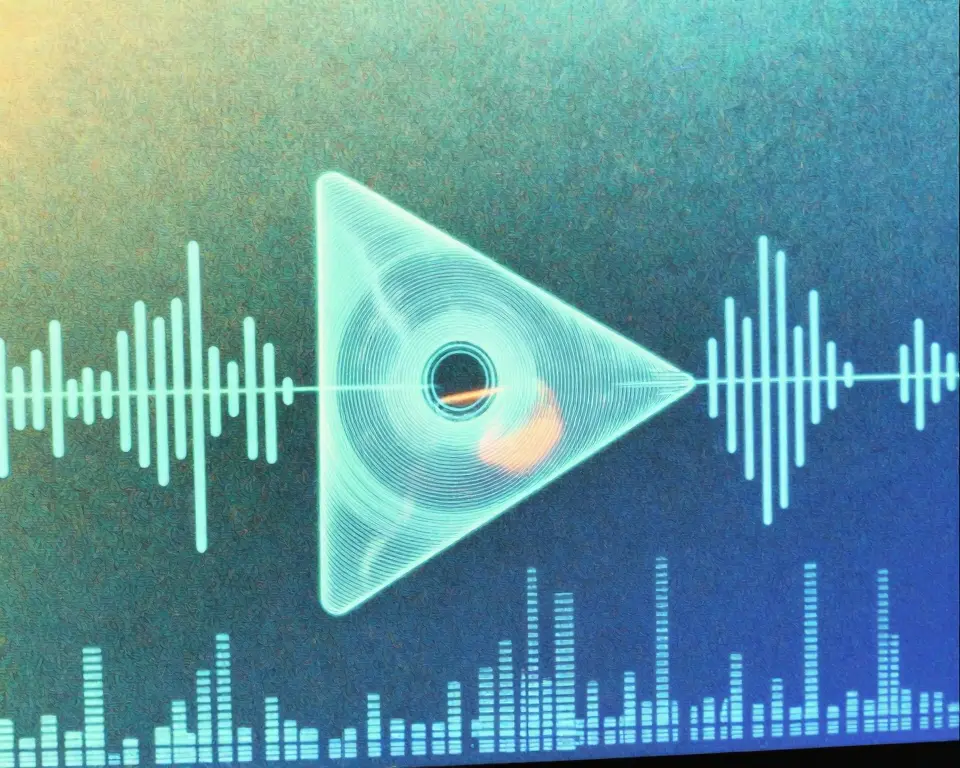
A new release called TTS-bench offers a practical way to compare local text-to-speech models across different hardware and listening tests without installing anything. The project provides a gallery of audio samples so you can hear exactly how 37 different models sound on various prompts and voice cloning tasks. It also includes speed benchmarks measured on real machines, including a Ryzen 9 paired with an RTX 5090 and an Apple M4, letting you pick the right model for your actual computer.
Developer 5uck1ess built this project after getting tired of not having a proper TTS benchmark for personal work. Rather than relying on abstract scoring tables that cannot capture natural prosody or subtle audio artifacts, the tool puts a play button next to every result. It sources each audio sample once from the highest-fidelity rig available and tags it clearly, so you always know what hardware produced the recording.
A listen-first approach to comparing TTS
Key features of the benchmark
- Inline audio player for every model and prompt.
- Sortable speed leaderboards for real hardware rigs.
- Cold and warm TTFA, RTF, and memory tracked.
- Browse by prompt or by individual model easily.
- Voice cloning samples placed next to reference audio.
- Supports Windows, macOS, and Linux benchmarking.
- Full per-rig reports with downloadable by-prompt samples.
- Requires roughly 165 GB disk space for everything.
Privacy-conscious professionals and serious hobbyists who run AI locally can use this to make informed choices quickly. Someone testing on a Linux workstation with an RTX 3090 or a compact Mac can just filter results by their own hardware column. The listening view makes quality differences obvious in seconds, helping users decide whether they need fast CPU synthesis with Piper or high-clarity cloning with OmniVoice.
What the developer notes
The fastest results on an RTX 5090 came from Kokoro with 69ms warm TTFA, while Piper led on CPU and Apple MPS hardware. No objective quality ranking exists right now because the NAQ score metric is paused pending a redesign, so the project relies entirely on the listening lens. Individual models are far smaller than the full 165 GB set, and the code allows installing only a subset if you want to save space.
"I was tired of not having a proper TTS related benchmark that I can use and test for personal projects, so I had to make one." — Source: Reddit
Project Links