


Meta-CoT Pioneers Step By Step Thinking For Local Photo Edits
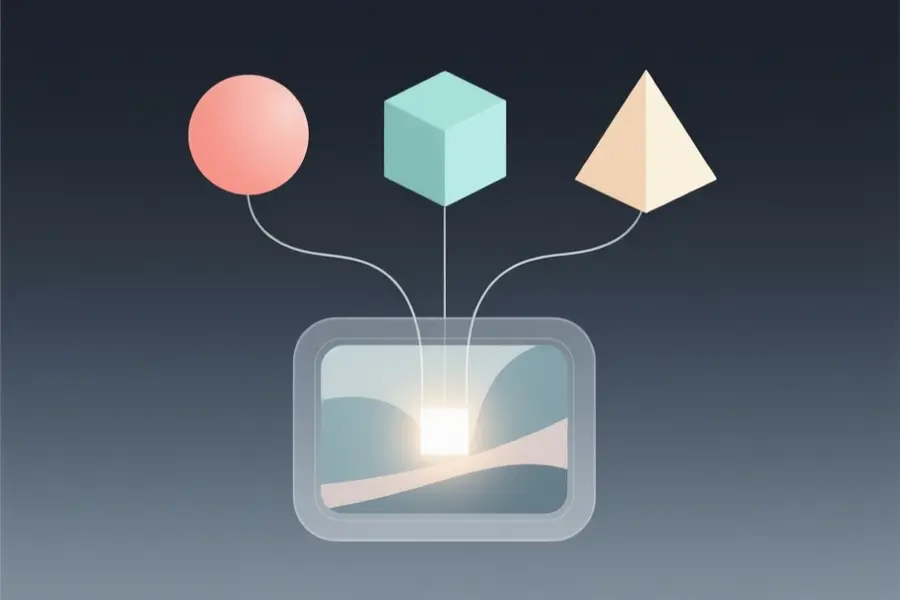
Meta-CoT introduces a structured reasoning framework designed to improve local image editing workflows. The open-source model processes user instructions through a two-stage thought breakdown, separating editing goals into specific actions and required visual understanding before generating the final output.
Developed by researchers at Tsinghua University and Tencent, the system addresses a common issue in automated editing: handling complex prompts that confuse standard models. By training on five core operations, it successfully manages over twenty different image adjustments without needing retraining.
Model Size: 58.4GB & VRAM GPU: requirements vary
Structured reasoning for precise visual changes
- Breaks editing prompts into actionable task, target object, and understanding requirements.
- Trains exclusively on five foundational adjustments like adding or removing objects.
- Generates consistent edits by aligning internal reasoning with final image output.
- Uses a specialized reward system during training to reduce visual artifacts.
Professionals managing brand assets or digital archives can rely on this method to maintain accuracy across large batches of photos. Creative teams processing sensitive materials locally also benefit from running the entire pipeline without sending files to external servers.
Team observations on model training
The development team notes that traditional models often struggle with detailed prompts because they treat every request as a single task. By isolating the core components of an edit command first, the architecture learns each piece independently, which drastically improves stability.
"We observe that any editing intention can be represented as a triplet,"
said the developer in a paper. Users with consumer graphics cards should adjust their configuration scales carefully to prevent output blurriness, while keeping in mind that multi-node training scripts are available for heavier workloads.
Access the complete GitHub repository, review the published research, or download model weights from Hugging Face.