



Overtli Studio Suite Unifies Local And Cloud AI Tasks
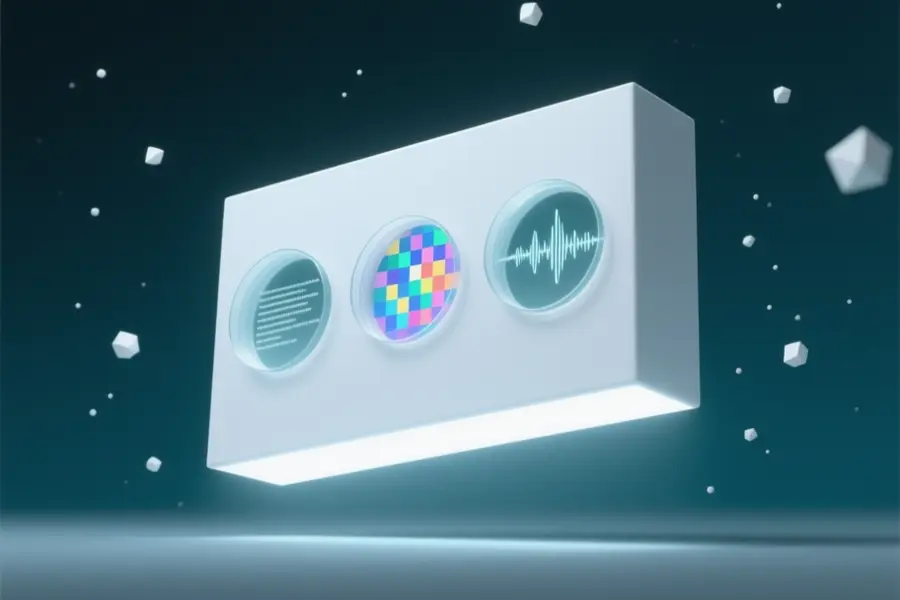
Overtli Studio Suite introduces a unified collection of custom nodes that route local and cloud AI tasks through a single ComfyUI interface. The tool consolidates text generation, media creation, and speech synthesis into a single workflow.
Created by OvertliDS, this project removes the friction of switching between different AI services. Users managing diverse generation tasks can maintain one pipeline without rebuilding existing graphs.
Centralized routing for text, image, and audio pipelines
- Routes multiple AI engines through a configuration node with automatic endpoint validation.
- Connects to Pollinations, LM Studio, GitHub Copilot, and standard OpenAI-compatible services.
- Enhances prompts using sixty instruction presets and over six hundred style templates.
- Delivers native ComfyUI outputs for text, images, video, and audio directly in your pipeline.
- Drops into existing ComfyUI graphs to upgrade prompt quality without altering layouts.
Mixed-media creators will find this system useful for organizing generation steps. By centralizing provider settings and output types, the suite reduces manual file transfers and simplifies version control. Teams working across speech, video, and image tasks can maintain consistent parameters without switching applications during production.
Configuration details and workflow limitations
Authentication tokens and routing preferences save to a local file for quick setup. Server-side video generation pauses the interface temporarily until rendering finishes. Users can override settings using environment variables or direct inputs.
"I made a ComfyUI suite of nodes for Pollinations, LM Studio, Copilot CLI, and OpenAI-compatible generation with prompt enhancing, image gen, video gen, speech/audio gen, for local/cloud multi-engine workflows,"
said the developer in a community post on Reddit.
You can download the complete node collection and test scenarios through the GitHub repository.