




Hildegard Gives Your Images Tiled Perfection Without The Cloud
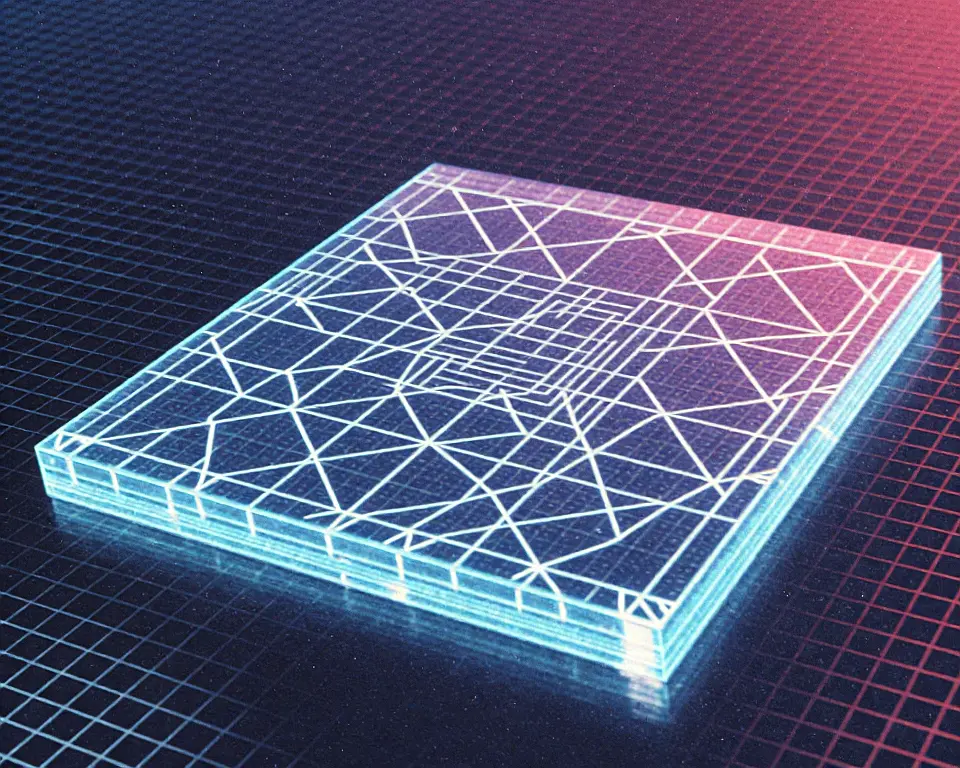
Hildegard is a new ComfyUI node pack and LoRA for tiled upscaling and refinement on FLUX.2 Klein. It splits images into tiles, creates three context latents per tile, and blends them back seamlessly. The results rival commercial upscalers but stay local on your hardware.
Developer 42lux released it as a local alternative to cloud upscaling services. The pipeline works as a standard LoRA, so it stacks with any subject or style LoRAs. This keeps your workflow flexible and images private.
How context-aware tiles prevent seams and hallucinations
Key Features
- Tile grid planning with overlap-aware solver.
- Three reference latents for spatial context.
- Feather-blended stitching to hide seams.
- Frequency separation control for tile detail.
- tile_weight slider balances resemblance and creativity.
- Compatible with any subject or style LoRA.
This tool is for anyone with a local GPU who wants high-quality upscaling without a cloud. Professionals and hobbyists can process sensitive images privately. Because it’s a standard LoRA, you can combine it with your own subject LoRAs for custom results.
Developer notes on passes and prompts
42lux suggests two or three ~2× passes instead of a single large jump to avoid hallucinations. The LoRA uses trigger phrase RFNTILE. and three prompt templates for different tile counts. The tile-grid math comes from an open-source project, but the three-latent scheme is new for FLUX.2 Klein.
"The node pack builds three reference latents per tile (the tile itself, a 3x3 position map of its neighbours, and a thumbnail of the whole image), the LoRA is trained to read all three so the model better understands each tiles context and where it sits in the frame." — Source: Reddit
Project Links