


AHEKOT's ComfyUI_HYWorld2 Crafts 3D Worlds From Photos
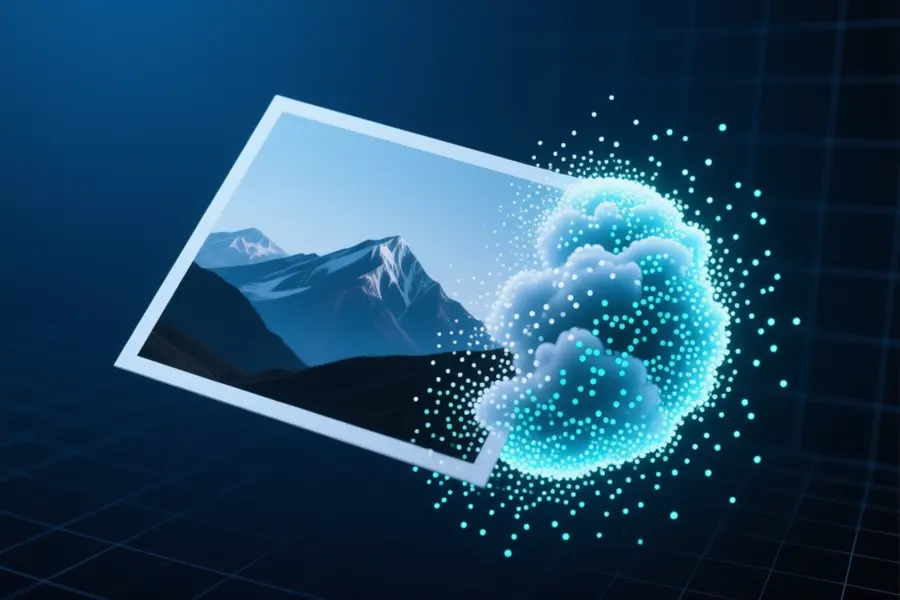
ComfyUI_HYWorld2 brings custom nodes to a popular image generation interface, allowing users to transform single photographs or panoramic shots into three-dimensional scenes. The extension processes visual inputs to output editable point clouds, depth maps, surface normals, and Gaussian splats.
Independent creator AHEKOT built this integration to bridge missing local spatial reconstruction workflows. The release provides open-source utilities that generate virtual environments without depending on remote servers.
Core reconstruction features and output controls
- Loads and executes both WorldMirror and WorldMirror V2 inference models.
- Produces point clouds, depth information, normals, and Gaussian splats.
- Renders three-dimensional environments from adjustable camera positions.
- Refines splat data and saves finished files directly to disk.
Digital artists converting flat images into spatial assets gain immediate access to streamlined generation nodes. Small studios mapping wide-angle inputs into perspective views can process data locally while maintaining strict file organization.
Current stability notes and development scope
The maintainer clarifies that the current package handles only the initial generation phase rather than complete interactive environments. Building the required rendering library frequently demands manual dependency resolution because pre-compiled installation files lack modern system support. Panorama testing indicates high memory consumption and uneven alignment when merging multiple camera angles.
Clarifying the actual release scope, the maintainer stated:
"HY-World2 is, in fact, a slightly more advanced version of HY-World-Mirror with a new model and minor improvements to the backend,"
said the developer in a post. Engineers familiar with CUDA compilation can contribute code to smooth the installation process across different hardware setups.
Operators can download the latest custom nodes directly from GitHub to integrate offline 3D generation into existing pipelines.