



VTS Turns Your Hummed Imitation Into a Real Sound Effect
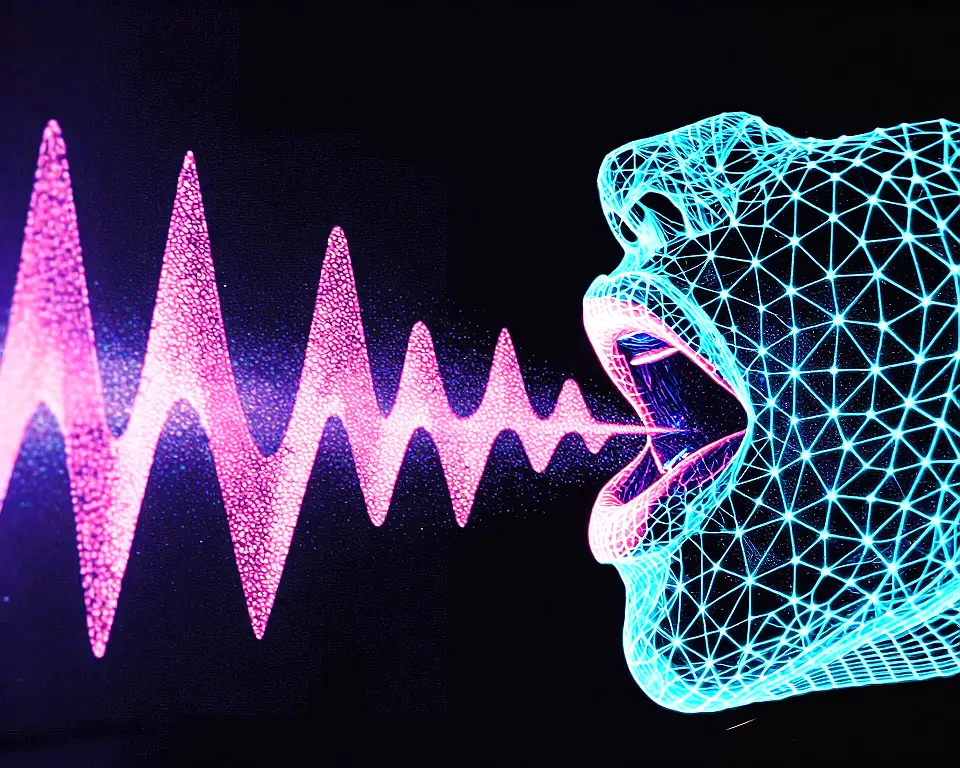
VTS (Voice To Sound) is a newly released open-source model that turns a short vocal imitation and a text description into a realistic sound effect. Instead of fumbling to describe a sound with words alone, you can hum, beatbox, or sketch the noise with your mouth, and the tool uses the timing and contour of your voice alongside the text to generate the final clip. It handles short SFX like metallic hits, swooshes, and pops, with the provided checkpoint defaulting to 3‑second stereo 44.1 kHz output.
Developer thxxx built VTS while at OptimizerAI and published it under an MIT license. The project tackles a common problem: you often know exactly what a sound should be in your head but can’t search for it because no text query captures the feel. By letting you vocalize the idea, VTS gives creators a direct, intuitive way to bridge that gap and get the custom sound they need.
Voice-driven sound design for video and game creators
Key Features
- 1.07B parameter diffusion transformer model
- Combines voice imitation with a text prompt
- Stereo 44.1 kHz output using Oobleck VAE
- Defaults to 3‑second sound effect generation
- Fast DPM-Solver++(3M) SDE sampling
- Configurable duration, steps, and CFG scale
- Pretrained checkpoints available for download
- Simple command‑line inference script provided
VTS is aimed at video editors, game developers, and content creators who need custom sound effects quickly without sifting through stock libraries. Because the model runs locally on a capable GPU, it suits privacy‑conscious professionals and small studios that want to keep their assets and workflows offline. Hobbyists and AI enthusiasts can also experiment and fine‑tune the model with their own recordings for even more tailored results.
What the developer plans next
The developer intends to adapt this approach for voice‑conditioned music generation in the future. For now, the released checkpoint is tuned for short sound effects, and longer durations may require additional training. Users can provide their own datasets through a manifest file to retrain or fine‑tune the model on personalised sound collections.
"Describing sound with text alone is surprisingly hard. That is why sound-design meetings often turn into a brief beatboxing session(🔫 pew pew, 💥 boom) When words stop being precise enough, people make the sound with their mouths." — Source: GitHub
Project Links