


Opendesk Unlocks Direct Desktop Control for AI Agents
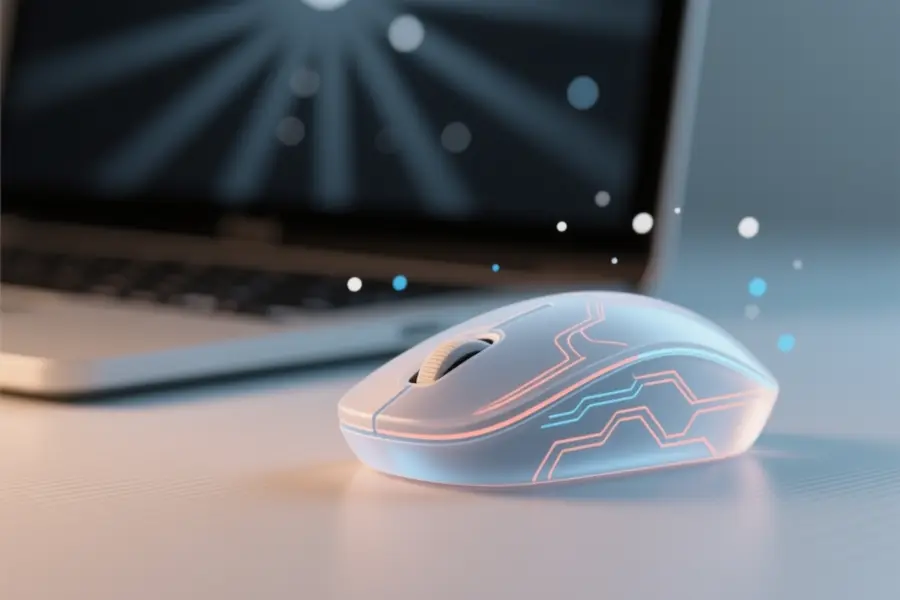
The Opendesk framework gives any AI agent direct control over a desktop computer—screenshots, mouse, keyboard, and app interaction—just like a real person. It works across macOS, Linux, and Windows, turning a local or remote machine into a set of tools that models can use. The project packages screen capture, OCR, workflow recording, and scheduled automation into one modular stack.
Built by the team at Vitalops, Opendesk connects these capabilities to popular AI tools through the Model Context Protocol (MCP). They designed it so that agents in Claude Code, Cursor, Windsurf, or any custom MCP client can immediately start driving the desktop. The framework keeps everything on-device and avoids cloud dependencies, appealing to users who want autonomous control without giving up privacy.
Record, replay, and schedule desktop actions
Key Features
- Screenshot capture with labeled clickable elements.
- Click and type by element name, no coordinates.
- Record a mouse-and-keyboard workflow once, replay anytime.
- Schedule tasks with cron‑like timing (every morning, Fridays, etc.).
- Control remote machines over an encrypted WebSocket link.
- Extract text from any screen region with OCR.
- Manage the clipboard, open apps, and send hotkeys.
- Integrate via MCP with Claude Code, Cursor, and more.
Home lab enthusiasts running local large language models can give their agents hands‑on desktop abilities to automate daily tasks like filling forms or checking dashboards. Small agencies benefit from scheduling repetitive processes across multiple computers without recurring cloud fees. Privacy‑conscious professionals get a system where all data stays on their own hardware, and remote sessions are protected by strong encryption with a simple six‑digit pairing code.
Secure remote use and clear architecture
The opendesk architecture puts a clean layer between local and remote computers, so agents never need to know where the desktop actually lives. All remote traffic uses X25519 key exchange and ChaCha20-Poly1305 encryption; the pairing code is PBKDF2‑stretched to resist brute‑force attacks. Future SDKs may expand the pattern, but right now on‑device models through Ollama or LM Studio already work with the included OpenAI‑compatible adapter.
"Give any AI agent eyes and hands on your desktop." — Source: GitHub
Project Links