TripoSplat Spins A Single Image Into A Custom 3D Splat
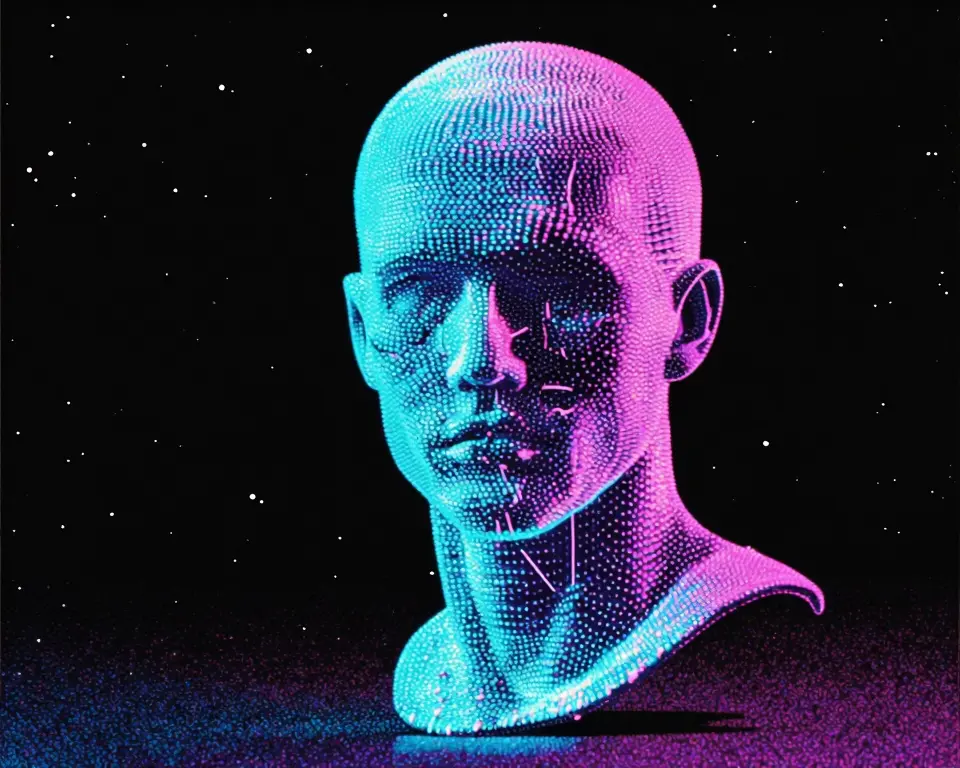
TripoSplat is a new open-source model that turns a single image into a 3D Gaussian splat, with a variable point count up to 262,144. It runs locally on a consumer GPU through a ComfyUI node and minimal Python code. The output adapts detail to the image, providing efficient assets for games or VR.
VAST-AI (Tripo) created TripoSplat, led by researchers Runjie Yan and Yan-Pei Cao. The team’s paper describes a learned density control that distributes Gaussians according to image complexity. Released under the MIT license, the model and code are free for any commercial or personal use.
Smarter detail that puts Gaussians where needed
Key features
- Converts one image to a 3D Gaussian splat
- Choose up to 262,144 Gaussians for detail
- Minimal code: two files, about 2,000 lines
- Near-zero extra dependencies, no diffusers
- Built-in ComfyUI node with workflow template
- Exports .ply and .splat files for any viewer
- MIT license for unrestricted use
- Great results on stylized characters and props
Game developers and 3D artists can generate assets from concept art without leaving their machine. Small studios benefit from quick iteration on props or hero characters. Privacy-conscious users keep all image data local, no cloud uploads needed.
Clean code and local-first philosophy
The team stripped away large frameworks like Hugging Face transformers and diffusers, fitting inference into two Python files. This near-zero-dependency design avoids version hell and runs on any machine with PyTorch. As a research release, results may vary with unusual photos, but the open-source foundation encourages custom improvements.
"TripoSplat leverages a novel approach for adaptive density control, to put more detail where your image needs it and stay lighter on simple areas." — Source: Reddit
Project Links