



Streamlined-HF-Model-Search Makes Local AI Model Discovery a Breeze
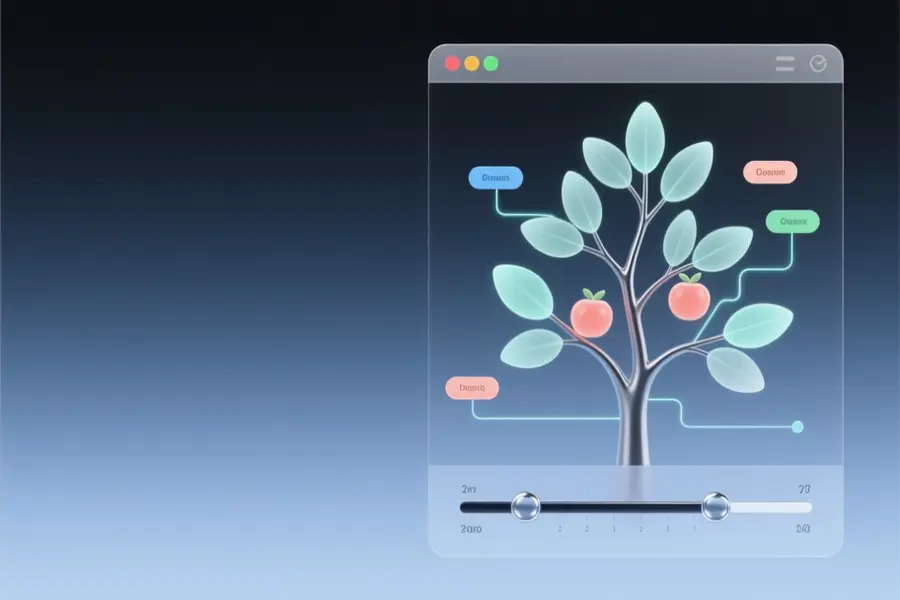
The new Streamlined-HF-Model-Search is a single browser-based HTML file that acts as a 4-level explorer for Hugging Face models and their quantizations. It queries the public Hugging Face API with no server setup or install steps, organizing base models, derivative authors, and quantized variants into an expandable tree. The tool also provides dual-range sliders, pipeline tag filters, and quant-type badges to precisely narrow results.
Developer Stew675 created the project after Hugging Face’s recent search issues and a personal frustration with filtering derivative quants. Most of the code was generated with Qwen3.6-27B through guided prompts, then lightly hand-polished. The result is a supplement — not a replacement — that caches results and respects API rate limits from the first click.
Hierarchical search with dual sliders and quantization filters
Key features
- No install — just open the HTML file.
- Uses public HuggingFace API with rate limiting.
- Quick and deep result modes for speed.
- Dual sliders for date and parameter count.
- Filter bars for pipeline tags and quant types.
- Hidden models preview popup on hover.
- Column sorting and expandable cached rows.
- Color-coded quant badges for instant recognition.
This tool fits professionals and serious hobbyists who need to locate local model variants without wrestling with Hugging Face’s default interface. Small studios running local AI for client work can quickly find recent GGUF or AWQ quants within a specific parameter range, while privacy-conscious users can explore models without logging in. The hierarchical layout saves time by grouping base models under authors and then showing all derivative fine-tunes in one view.
Developer notes and known limits
The project is about 90% AI-generated but was refined manually to avoid an “AI slop feel.” Results are not exhaustive — very obscure or poorly tagged models may be missed because the tool deliberately avoids hammering the API. Future ideas on the developer’s list include CSV export, bookmarkable filter states, and trending metrics.
“Yes, this is 90% vibe-coded, but the README is 90% written by me to minimise on that ‘AI slop feel’.” — Source: Reddit
Project Links