

UltraReal_FineTune_Anima Delivers Analog Soul To Digital Photos
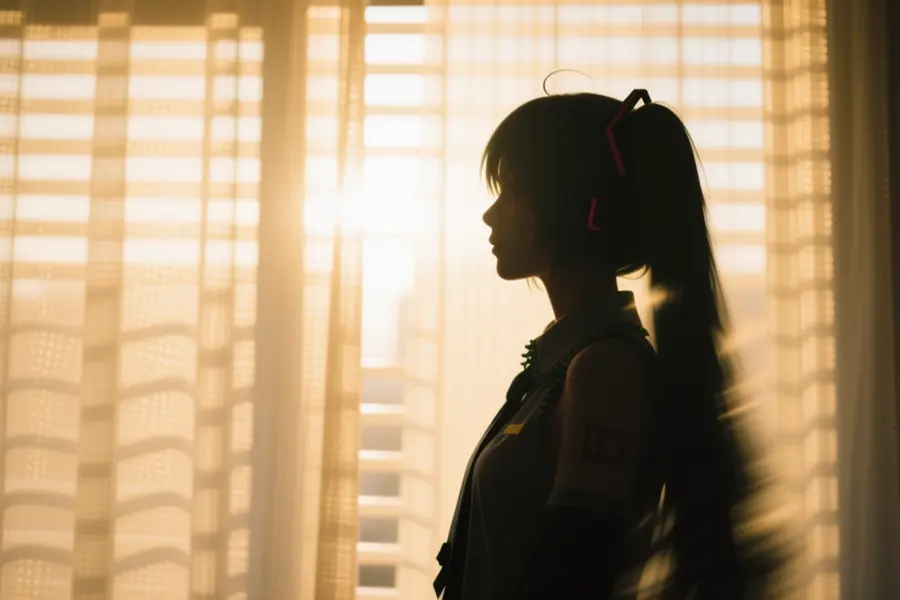
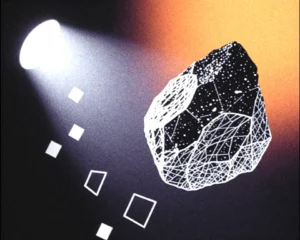
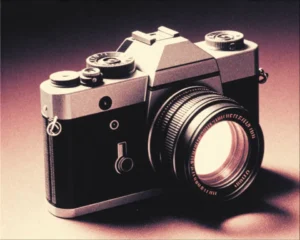
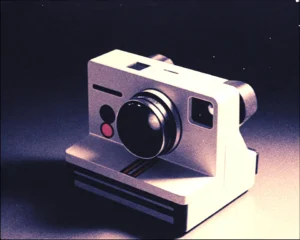
UltraReal_FineTune_Anima is an experimental full model fine-tune of the Anima_preview1 image generator, aimed at delivering more realistic photo-style outputs. It produces strikingly varied visuals, from analog film grain to clean digital shots, all from a single compact base. The model’s behavior leans heavily on prompt wording, giving users direct control over texture, lighting, and atmosphere.
Danrisi, the independent developer behind the release, built this version from an entirely new dataset gathered from scratch. It’s distinct from their earlier Flux.1 finetune and was chosen because Anima already handles fictional characters and anatomy well. The goal was to inject realistic styling without losing that character knowledge or the model’s creative range.
Prompt-driven style and efficiency
Key Features
- Diverse looks from analog to digital photos.
- Quantized Q8 and Q6_K_M versions included.
- Strong recognition of fictional character likenesses.
- Retains full NSFW generation capabilities.
- Highly responsive to detailed prompt directions.
- Excels at high-contrast and grainy textures.
This release is ideal for prosumer GPU owners, privacy-minded professionals, and serious hobbyists exploring local image generation. The included quantized files lower the hardware barrier while preserving enough detail for useful, stylish output. Because the model interprets prompts so faithfully, you can recreate nuanced looks—like a specific decade’s photo flaws or dramatic studio lighting—without relying on cloud services.
What’s next for this early build
The developer openly describes the work as a first iteration with noticeable rough edges, including blurred small details and distorted faces in wider shots. For the best images, Danrisi tested custom sampler combinations outside the defaults and found particular settings that sharpened results. Moving forward, the plan is to test additional fine-tuning on different data or, if those fixes fall short, to retrain from the ground up with an upgraded dataset.
“Honestly, I really love the image quality you can squeeze out of such a small model.”
Project Links