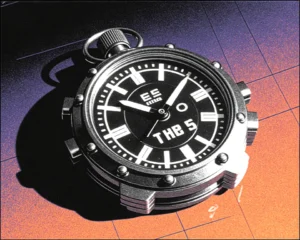



Lovis93 Debuts crt-animation-terminal-ltx-2.3-lora For Retro AI Video
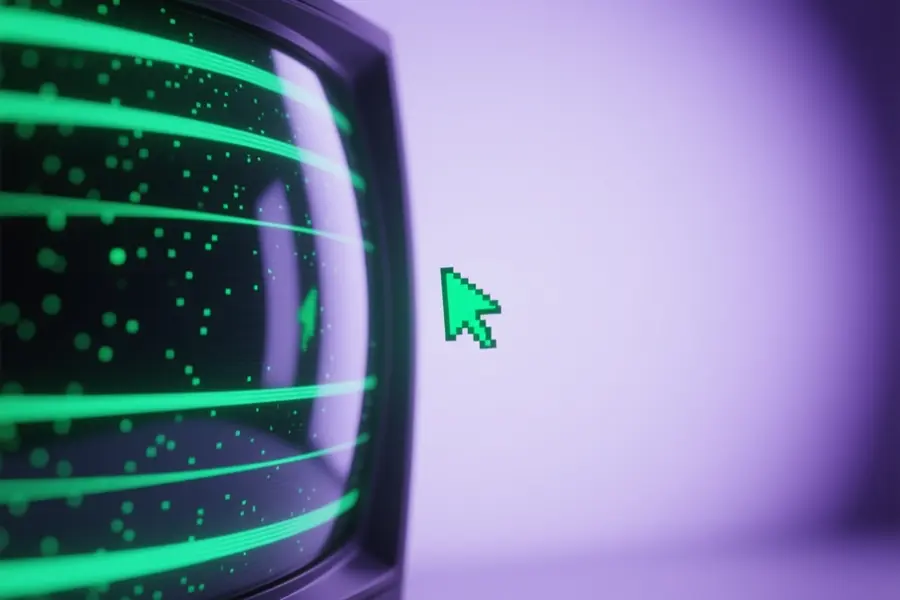
A new open-source adapter now applies authentic late-1980s monitor aesthetics directly to AI video outputs. Created by developer lovis93, this file modifies the standard video model to simulate scanlines, signal static, and phosphor halos during generation.
This release eliminates the need for complex post-production editing when creators seek vintage screen textures. Compatible with standard local software and cloud pipelines, the tool drops into existing workflows as a standard configuration file.
Core visual styling and workflow integration
- Generates authentic scanlines, barrel distortion, and phosphor glow natively during video rendering.
- Includes two optimized weight files for either expressive movement or cleaner on-screen typography.
- Operates with standard formats across local installations and third-party cloud services.
- Responds to a single trigger keyword to immediately apply the retro monitor aesthetic to any scene.
- Works seamlessly with both text-to-video and image-to-video input methods without file conversion.
Creators building technical demos or retro-style media can skip manual compositing steps. Generating the monitor effects natively ensures consistent color separation and accurate frame textures from the first output, saving hours of timeline adjustments for independent studios and freelance editors.
Practical deployment notes and training details
The creator warns that text generation remains experimental, suggesting that short phrases yield the most accurate results. Users must also adjust standard filtering settings to prevent the system from removing on-screen lettering during processing.
"None of the video gen models do a real CRT terminal animation look"
the developer says in a release post. Training used a curated set of analog footage, refining the weights across ten thousand steps to balance structural clarity with intentional analog flaws.
Download the crt-animation-terminal-ltx-2.3-lora package to retrieve the checkpoint files and review the full prompt guidelines.