

PixelSmile Refines Portraits with Precise Expression Control
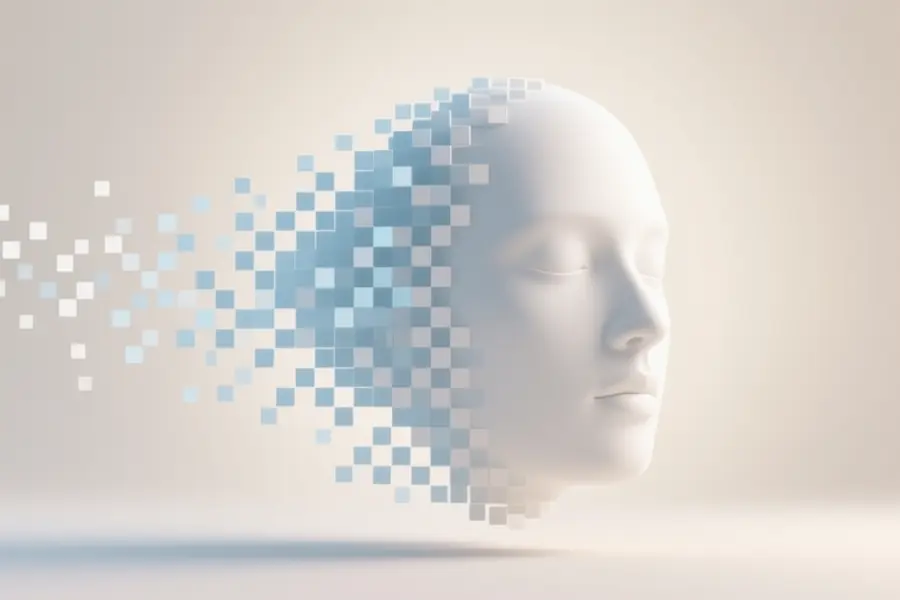
PixelSmile is a new diffusion LoRA framework designed for fine-grained facial expression editing. It allows users to modify specific facial expressions in images with precise control over intensity levels, addressing the common problem of semantic overlap between different expressions.
Developed by a team of researchers including Jiabin Hua, the tool was released on March 26, 2026, alongside a new dataset called Flex Facial Expression (FFE). The project aims to solve the challenge of editing facial expressions without distorting identity or creating unnatural results.
Key features and LoRA capabilities
- Fine-grained control over facial expression intensity with adjustable scales.
- Disentangles expression semantics to separate overlapping facial features.
- Linear expression control through textual latent interpolation.
- Strong identity preservation during expression edits.
- Support for smooth expression blending between different states.
- Community ComfyUI implementation available for workflow integration.
Photographers and digital artists who need precise facial expression adjustments will find this tool useful for retouching portraits or creating varied emotional content from a single source image. The ability to control intensity levels from 0 to 1.5 allows for subtle adjustments or dramatic expression changes while maintaining the subject's core identity.
Development notes and PixelSmile requirements
The research team constructed the FFE dataset with continuous affective annotations to train and evaluate the model. They established FFE-Bench, a benchmark that measures structural confusion, editing accuracy, and the balance between expression modification and identity preservation. The preview release currently available focuses on human expression editing, with the developers noting that
'a more stable version is coming soon, with improved human expression editing performance and support for anime expression editing.'
Users should note that the installation requires patching the current diffusers library to address a Qwen image edit bug. The framework runs on Python 3.10 and uses Qwen-Image-Edit as its base model. Inference can be run via command line with customizable parameters including image path, expression type, intensity scales, and random seed values.
Read the research paper on arXiv or download PixelSmile from Hugging Face.